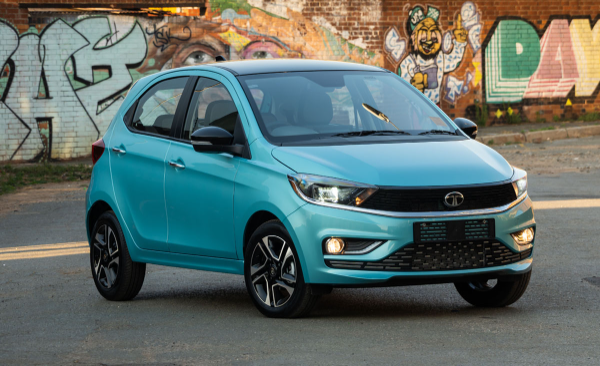

Chinese Cars Slowly Taking Over the South African Market
The South African automotive market has witnessed a significant shift in recent years, with Chinese car manufacturers gaining substantial ground. Once dominated by established players from Europe, Japan, and the United States, the market now sees Chinese brands like Chery, Haval, GWM (Great Wall Motors), and BAIC (Beijing Automotive Industry Corporation) steadily increasing their presence. This rise can be attributed to competitive pricing, improved quality, and features tailored to local preferences.
Market Share Growth
Chinese car brands have grown from holding a negligible share of South Africa's new vehicle market to capturing around 14% by 2024, according to Naamsa (the National Association of Automobile Manufacturers of South Africa). This growth is remarkable, considering that as recently as a decade ago, Chinese cars were often dismissed for their perceived lower quality.
Key Players and Popular Models
Haval (GWM Group)
Haval has become one of the best-performing Chinese brands in South Africa. The Haval H6 and Jolion SUVs have been particularly popular due to their modern design, competitive pricing, and advanced features.
By 2024, Haval’s sales accounted for nearly 6% of South Africa's total passenger vehicle market.
Chery
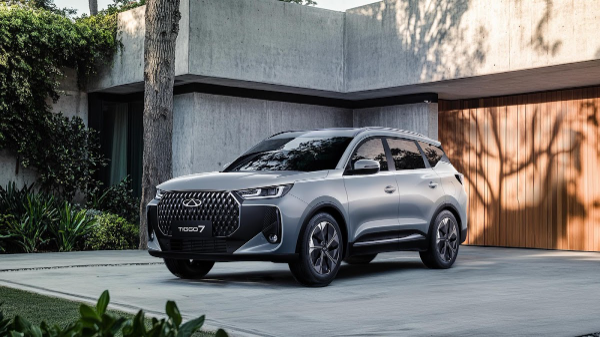
Chery re-entered the South African market in 2021 after a brief hiatus. Models like the Tiggo 4 Pro and Tiggo 8 Pro offer premium features at affordable prices.
In 2023, Chery sold over 12,000 units, becoming one of the fastest-growing brands in the country.
BAIC
Supported by a local assembly plant in the Eastern Cape, BAIC has been steadily building its capacity. The BAIC X25 and Beijing X55 SUVs have appealed to budget-conscious buyers.
GWM (Great Wall Motors)
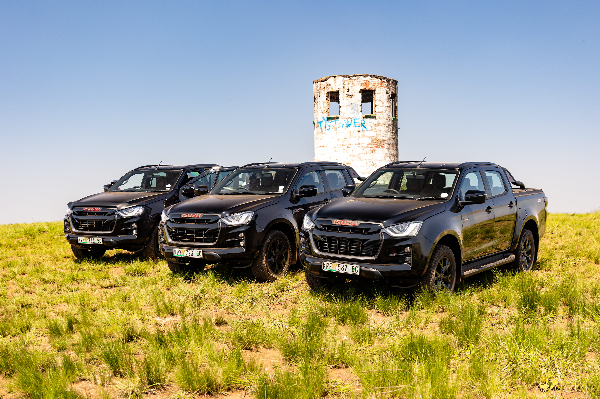
GWM, already known for its bakkies (pickup trucks), has introduced models like the P-Series, which competes directly with the Toyota Hilux and Ford Ranger.
Why Are Chinese Cars Gaining Popularity?
Several factors contribute to the rising popularity of Chinese cars in South Africa:
Affordability
Chinese brands offer vehicles that are often 20–30% cheaper than their competitors while providing similar features. This affordability appeals to price-sensitive South African consumers, especially in the entry-level and mid-range segments.
Improved Quality
Over the years, Chinese manufacturers have significantly improved their product quality. Many vehicles now come with luxurious interiors, advanced safety features, and cutting-edge technology.
Lengthy Warranties
Chinese automakers often provide extended warranties, such as 5- to 10-year guarantees, giving buyers peace of mind.
SUV and Bakkie Focus
With the growing demand for SUVs and bakkies in South Africa, Chinese brands have strategically introduced models in these popular segments.
Local Assembly
Companies like BAIC have invested in local assembly plants, reducing costs and qualifying for government incentives.
Challenges for Chinese Automakers
Despite their growing presence, Chinese brands still face challenges:
Brand Perception
Some South African consumers remain skeptical of Chinese vehicles, associating them with lower quality. However, this perception is gradually changing as the cars demonstrate reliability over time.
After-Sales Support
Ensuring robust after-sales service and a reliable supply of spare parts is crucial. Some brands have struggled in this area, leading to customer dissatisfaction.
Competition
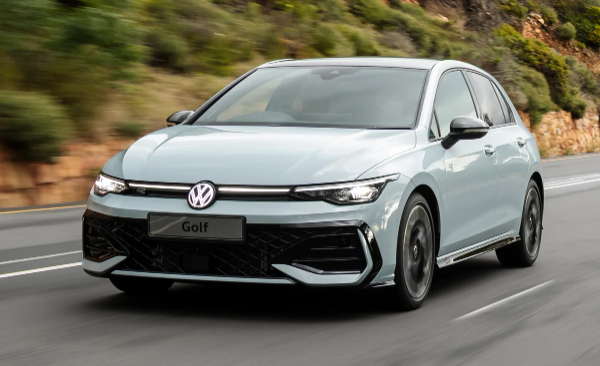
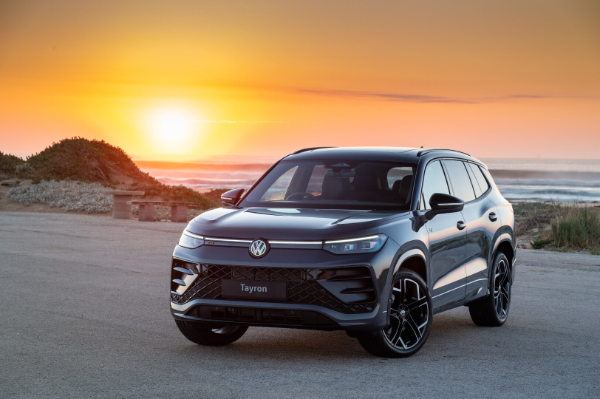
Established brands like Toyota, Volkswagen, and Ford still dominate the market, making it difficult for newcomers to gain a foothold in certain segments.
Impact on the Market
The rise of Chinese automakers has introduced healthy competition in the South African market. This has pushed traditional players to reconsider their pricing and features. For instance, manufacturers like Toyota and Ford have started offering more affordable options in response to the pressure from Chinese brands.
Future Outlook
The future looks promising for Chinese automakers in South Africa:
By 2025, analysts predict Chinese brands could capture 20% or more of the market, driven by the introduction of electric vehicles (EVs) and hybrid options.
Companies like BYD (Build Your Dreams) are planning to launch EVs, which could further disrupt the market.
Conclusion
Chinese car brands are steadily reshaping the South African automotive market. With competitive pricing, improved quality, and a focus on customer needs, they are becoming a viable alternative to traditional players. While challenges remain, their growing market share and increasing consumer acceptance indicate that Chinese cars are here to stay.
Market Share Growth
Chinese car brands have grown from holding a negligible share of South Africa's new vehicle market to capturing around 14% by 2024, according to Naamsa (the National Association of Automobile Manufacturers of South Africa). This growth is remarkable, considering that as recently as a decade ago, Chinese cars were often dismissed for their perceived lower quality.
Key Players and Popular Models
Haval (GWM Group)
Haval has become one of the best-performing Chinese brands in South Africa. The Haval H6 and Jolion SUVs have been particularly popular due to their modern design, competitive pricing, and advanced features.
By 2024, Haval’s sales accounted for nearly 6% of South Africa's total passenger vehicle market.
Chery
Chery re-entered the South African market in 2021 after a brief hiatus. Models like the Tiggo 4 Pro and Tiggo 8 Pro offer premium features at affordable prices.
In 2023, Chery sold over 12,000 units, becoming one of the fastest-growing brands in the country.
BAIC
Supported by a local assembly plant in the Eastern Cape, BAIC has been steadily building its capacity. The BAIC X25 and Beijing X55 SUVs have appealed to budget-conscious buyers.
GWM (Great Wall Motors)
GWM, already known for its bakkies (pickup trucks), has introduced models like the P-Series, which competes directly with the Toyota Hilux and Ford Ranger.
Why Are Chinese Cars Gaining Popularity?
Several factors contribute to the rising popularity of Chinese cars in South Africa:
Affordability
Chinese brands offer vehicles that are often 20–30% cheaper than their competitors while providing similar features. This affordability appeals to price-sensitive South African consumers, especially in the entry-level and mid-range segments.
Improved Quality
Over the years, Chinese manufacturers have significantly improved their product quality. Many vehicles now come with luxurious interiors, advanced safety features, and cutting-edge technology.
Lengthy Warranties
Chinese automakers often provide extended warranties, such as 5- to 10-year guarantees, giving buyers peace of mind.
SUV and Bakkie Focus
With the growing demand for SUVs and bakkies in South Africa, Chinese brands have strategically introduced models in these popular segments.
Local Assembly
Companies like BAIC have invested in local assembly plants, reducing costs and qualifying for government incentives.
Challenges for Chinese Automakers
Despite their growing presence, Chinese brands still face challenges:
Brand Perception
Some South African consumers remain skeptical of Chinese vehicles, associating them with lower quality. However, this perception is gradually changing as the cars demonstrate reliability over time.
After-Sales Support
Ensuring robust after-sales service and a reliable supply of spare parts is crucial. Some brands have struggled in this area, leading to customer dissatisfaction.
Competition
Established brands like Toyota, Volkswagen, and Ford still dominate the market, making it difficult for newcomers to gain a foothold in certain segments.
Impact on the Market
The rise of Chinese automakers has introduced healthy competition in the South African market. This has pushed traditional players to reconsider their pricing and features. For instance, manufacturers like Toyota and Ford have started offering more affordable options in response to the pressure from Chinese brands.
Future Outlook
The future looks promising for Chinese automakers in South Africa:
By 2025, analysts predict Chinese brands could capture 20% or more of the market, driven by the introduction of electric vehicles (EVs) and hybrid options.
Companies like BYD (Build Your Dreams) are planning to launch EVs, which could further disrupt the market.
Conclusion
Chinese car brands are steadily reshaping the South African automotive market. With competitive pricing, improved quality, and a focus on customer needs, they are becoming a viable alternative to traditional players. While challenges remain, their growing market share and increasing consumer acceptance indicate that Chinese cars are here to stay.